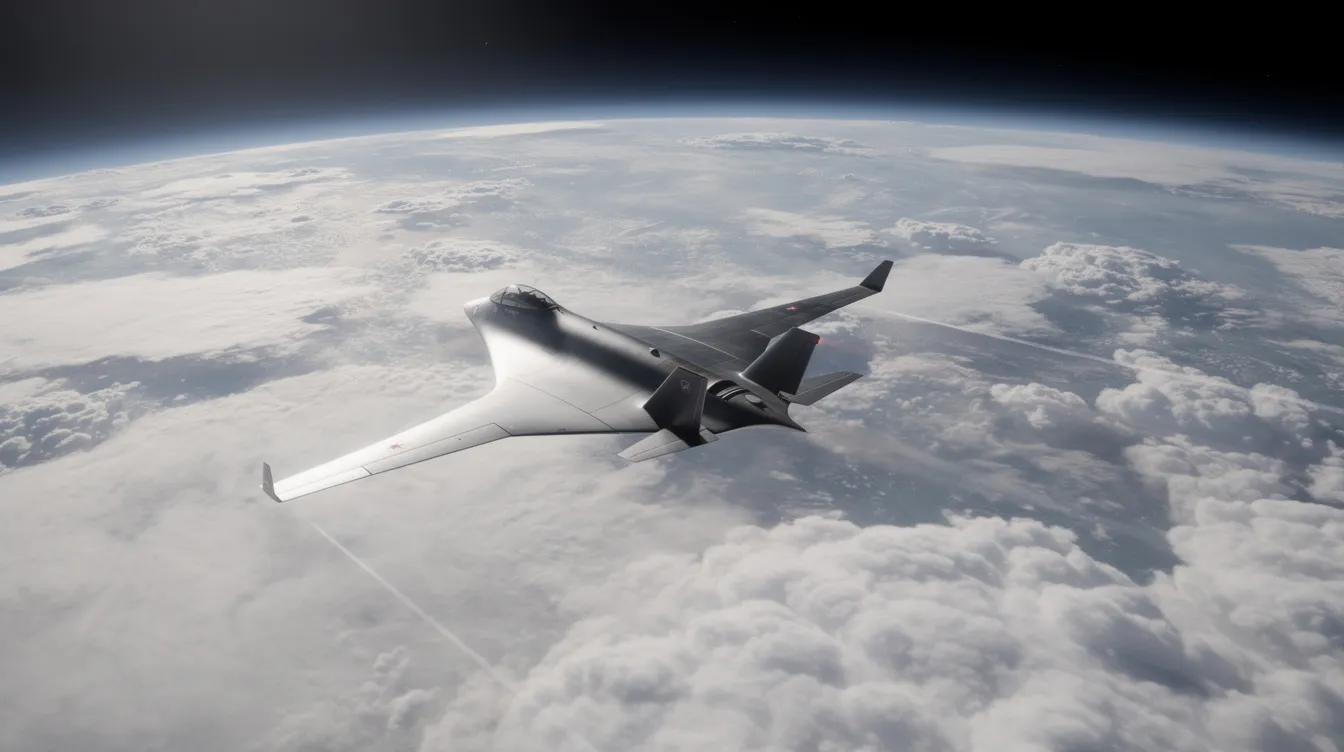
The stories of the fastest aircraft ever built read like science fiction - scramjet-powered vehicles ignite at the edge of space, and pilot William Knight pushed a rocket plane past Mach 6. But what do these speed records actually mean for the way you travel today? This guide separates the legends from the practical, connecting aviation history to the real advantages of modern private flight.
Fast Answer: What Is the Fastest Aircraft Ever Built?
The NASA X-43A holds the overall air-breathing speed record. On November 16, 2004, this unmanned scramjet research vehicle reached Mach 9.6 - approximately 7,000 mph (11,300 km/h) - during a brief powered flight at roughly 110,000 feet of altitude. The fastest manned aircraft record belongs to the North American X-15, which hit Mach 6.72 (about 4,520 mph / 7,274 km/h) on October 3, 1967.
Neither plane is an operational transport. Both were experimental vehicles with flight durations measured in seconds or minutes, no passenger cabin, and no commercial mission. When the question narrows to the fastest supersonic jet that was operational and air-breathing, the answer is the Lockheed SR-71 Blackbird at approximately Mach 3.3 (about 2,193 mph / 3,529 km/h).
Why Speed Still Matters – Beyond Just a Bigger Mach Number
For high-net-worth and corporate travelers, speed is not an abstract number on a data sheet - it is a strategic advantage measured in hours reclaimed. Every hour dropped from a transatlantic trip is an hour gained for a meeting, a deal, or simply rest.
Supersonic flight means flying faster than Mach 1 (the speed of sound, roughly 660–680 mph at cruise altitude). Hypersonic flight begins above Mach 5. Pilots use Mach speed instead of mph because the speed of sound shifts with temperature and altitude, making Mach number a more reliable ratio for aerodynamic behavior.
For modern travelers, "fastest" really means shortest total journey time. Imagine a business executive flying from New York to London: commercial business class involves arriving two hours early at a major hub, clearing security, and enduring a fixed schedule. With BlackJet, that same executive departs from a private terminal minutes before wheels-up, flies direct at high subsonic speed, and arrives closer to the final destination via a smaller airfield. The result is hours saved - without needing Mach 3.
BlackJet's positioning is clear: we don't sell supersonic speeds. We sell control of time, schedule, and experience, backed by safety, certification, and carbon-neutral operations.
Supersonic vs. Hypersonic Flight: The Basics
Understanding the language of speed helps frame why the world's fastest aircraft remain experimental and why private aviation operates where it does.
Subsonic: below Mach 0.8. Subsonic aircraft fly around Mach 0.8–0.9.
Transonic: Mach 0.8–1.2, where shock waves first form.
Supersonic: Mach 1–5. Supersonic aircraft exceed Mach 1, breaking the sound barrier.
Hypersonic: above Mach 5. Hypersonic vehicles exceed Mach 5 and face extreme aerodynamic challenges.
At 35,000 feet, the speed of sound is roughly 660–680 mph (1,060–1,090 km/h). Because air temperature drops with altitude, Mach 2 at 80,000 feet represents fewer mph than Mach 2 at sea level.
The basic challenges of high speed flight include intense shock waves, dramatic drag rise, and severe frictional heating of the airframe. Higher speed generally increases fuel burn and emissions, which is one reason extreme velocities remain impractical for passenger transport. Experimental hypersonic vehicles like the X-43A offer research insights, but they are not designed for comfortable human travel - yet.
The Fastest Aircraft Ever: Experimental Hypersonic Leaders
These unmanned platforms pushed the limits of what built structure and propulsion can endure, setting the stage for future aviation breakthroughs.
NASA X-43A: The fastest air-breathing aircraft in history. Its scramjet engine proved viable at Mach 9.6 during a roughly ten-second powered burn in November 2004, after being launched from a B-52 carrier and a Pegasus booster rocket at about 40,000 feet, with flight data captured before the end of the mission profile. The program tested materials and propulsion concepts intended for next-generation high speed flight.
Boeing X-51 Waverider: An unmanned scramjet demonstrator that reached approximately Mach 5.1, validating sustained air-breathing hypersonic propulsion for potential weapons and research applications.
HSTDV (India): A developmental scramjet vehicle tested in the Mach 5–6 category, still in its research phase.
Boost-glide weapons (Avangard, DF-ZF): Strategic hypersonic glide vehicles with reported speeds above Mach 20, but these are weapons systems - not conventional powered aircraft. They use ballistic boost and unpowered glide, with no crew, no cabin, and no continuous powered cruise.
These platforms show what is theoretically possible for top speed, but none carry passengers or offer sustained flight like a jet.
The Fastest Manned Aircraft: X‑15, SR‑71, and Other Legends
When discussing the fastest manned aircraft, the critical distinction is between rocket-powered research planes and air-breathing jets developed for operational missions.
North American X-15: The X-15 was primarily a research aircraft investigating hypersonic flight. On October 3, 1967, pilot William "Pete" Knight reached Mach 6.72 (about 4,520 mph). The X-15 operated at altitudes above 354,200 feet - high enough that several pilots earned astronaut wings. The X-15 gathered data that contributed to NASA's Mercury, Gemini, and Apollo programs, making it one of the most consequential research platforms in history.
Lockheed SR-71 Blackbird: The fastest manned, air-breathing jet ever to reach operational service. The SR-71 Blackbird used Pratt & Whitney J58 engines that functioned as turbojets at lower speeds and ramjets at supersonic speeds. Titanium was used in the construction of the SR-71 to withstand high temperatures caused by frictional heating at Mach 3.3. Its service ceiling exceeded 80,000 feet, and it could survey over 100,000 square miles of the Earth's surface per hour. The SR-71's primary defense mechanism against missiles was speed - it simply outran threats. The Air Force operated it from the 1960s through the 1990s.
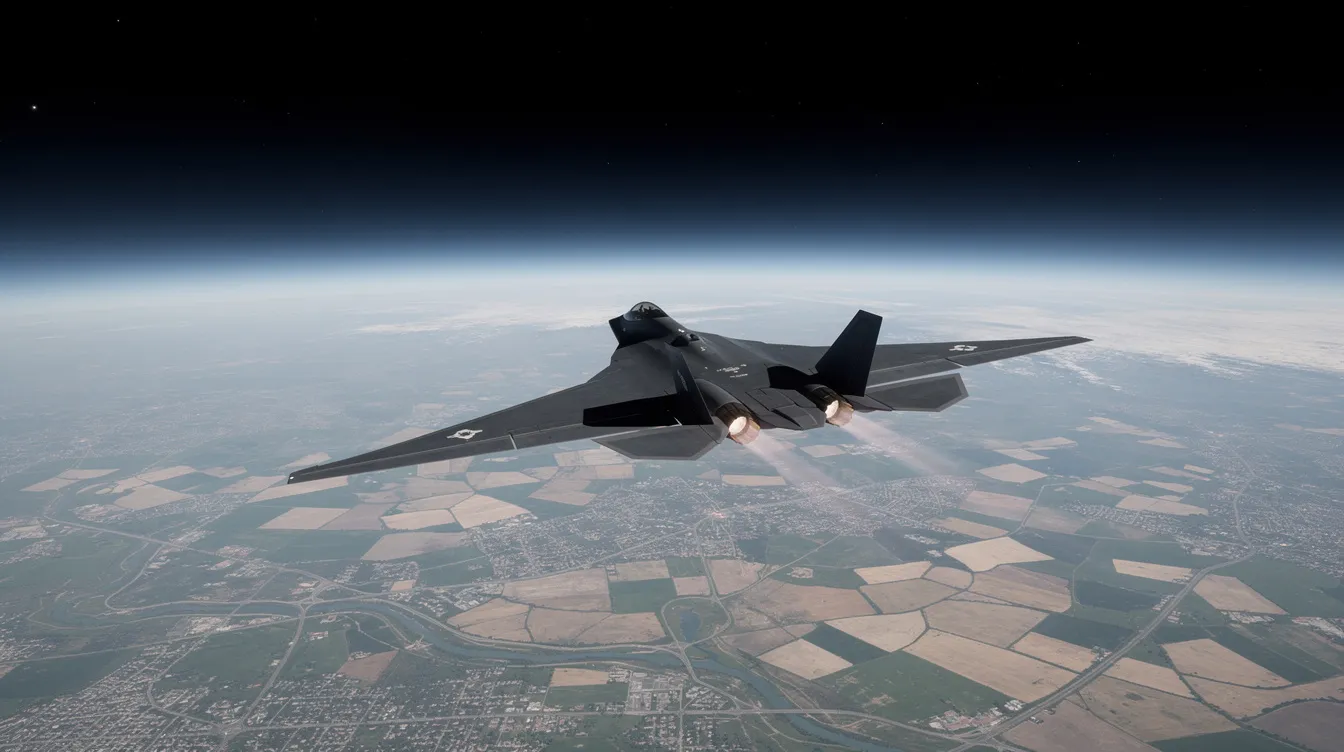
MiG-25 Foxbat and MiG-31 Foxhound: The MiG-25 Foxbat interceptor can reach speeds up to Mach 3.2, though operational limits hovered around Mach 2.83 to prevent engine and airframe damage. The MiG-31 Foxhound is designed for long-range interception with speeds around Mach 2.8. Both were developed to counter high-altitude Western reconnaissance aircraft.
These record-breaking platforms consumed enormous fuel, demanded intensive maintenance, and were never intended for business or private travel.
Fastest Fighter Jets and Supersonic Icons in History
From the first time a plane broke the sound barrier to modern stealth fighter aircraft, supersonic jets have shaped both military doctrine and public imagination.
On October 14, 1947, Chuck Yeager flew the Bell X-1 past Mach 1.06 (about 700 mph) in level flight - the first controlled breach of the sound barrier. The rocket-powered X-1 proved that sustained supersonic flight was possible, and it opened the door for everything that followed.
Notable supersonic icons in the decades since:
B-58 Hustler: Mach 2 cruise bomber, tested in June and September exercises during the Cold War.
XB-70 Valkyrie: Reached approximately Mach 3.1 in tests, a goal that pushed materials science to its limits.
Concorde: The Concorde operated as a commercial airliner with speeds exceeding Mach 2, cruising at Mach 2.02–2.04 in service from 1976 to 2003. It carried passengers between Great Britain, France, and destinations like New York - proving supersonic commercial travel was technically achievable, if economically challenging.
F-15 Eagle: The F-15 Eagle is capable of speeds over Mach 2.5, used for air superiority missions worldwide.
F-14 Tomcat: Reached around Mach 2.3 in its interceptor role.
F-22 Raptor: Rated at about Mach 2.25 but typically operates far slower to preserve stealth and conserve fuel.
While these are among the fastest aircraft in everyday service, modern combat doctrine prioritizes stealth, sensors, and networking over pushing absolute top speed higher.
How Top Speed Is Measured – And Why Pilots Rarely Use It
Top speed figures can be misleading. Published records for the fastest supersonic jet often come from specific test conditions that no operational pilot would replicate day to day.
Vmax / top speed: The absolute maximum under ideal conditions - clean configuration, optimal altitude, favorable temperature.
Cruise speed: What the aircraft sustains over most of its mission.
Dash speed: A short-duration burst, often limited to minutes before thermal or structural problems arise.
Mach number depends heavily on altitude and temperature. Mach 1 at sea level is about 761 mph; at 35,000 feet it drops to roughly 660 mph. Comparing speeds in Mach without referencing altitude produces misleading data.
Rocket-powered test flights - like the X-15's brief dashes - reach extreme mach number values but last seconds, not hours. Sustained cruise speed is what matters for transport. For private aviation, the best business jets are optimized for high-subsonic cruise that balances time savings, fuel efficiency, and passenger comfort rather than headline-grabbing records.
The Fastest Private Jets Today – And How They Compare
No private jet in service today crosses the sound barrier. The fastest private jets are optimized for fuel efficiency and comfort while operating close to Mach 1. Private jets typically fly around Mach 0.78–0.935 depending on type and mission.
Aircraft | Top Speed | Long-Range Cruise | Category |
|---|
Gulfstream G700 | ~Mach 0.925 | ~Mach 0.90 | Ultra-long-range |
Bombardier Global 8000 | ~Mach 0.925 | ~Mach 0.90 | Ultra-long-range, high-subsonic class |
Cessna Citation X+ | ~Mach 0.935 | ~Mach 0.90 | Super-midsize |
By comparison, commercial widebodies cruise around Mach 0.82–0.85. That gap means long-range private jets can shave meaningful time on transoceanic routes - and the advantage compounds when you factor in direct routing, flexible scheduling, and access to smaller airports that reduce ground travel time.
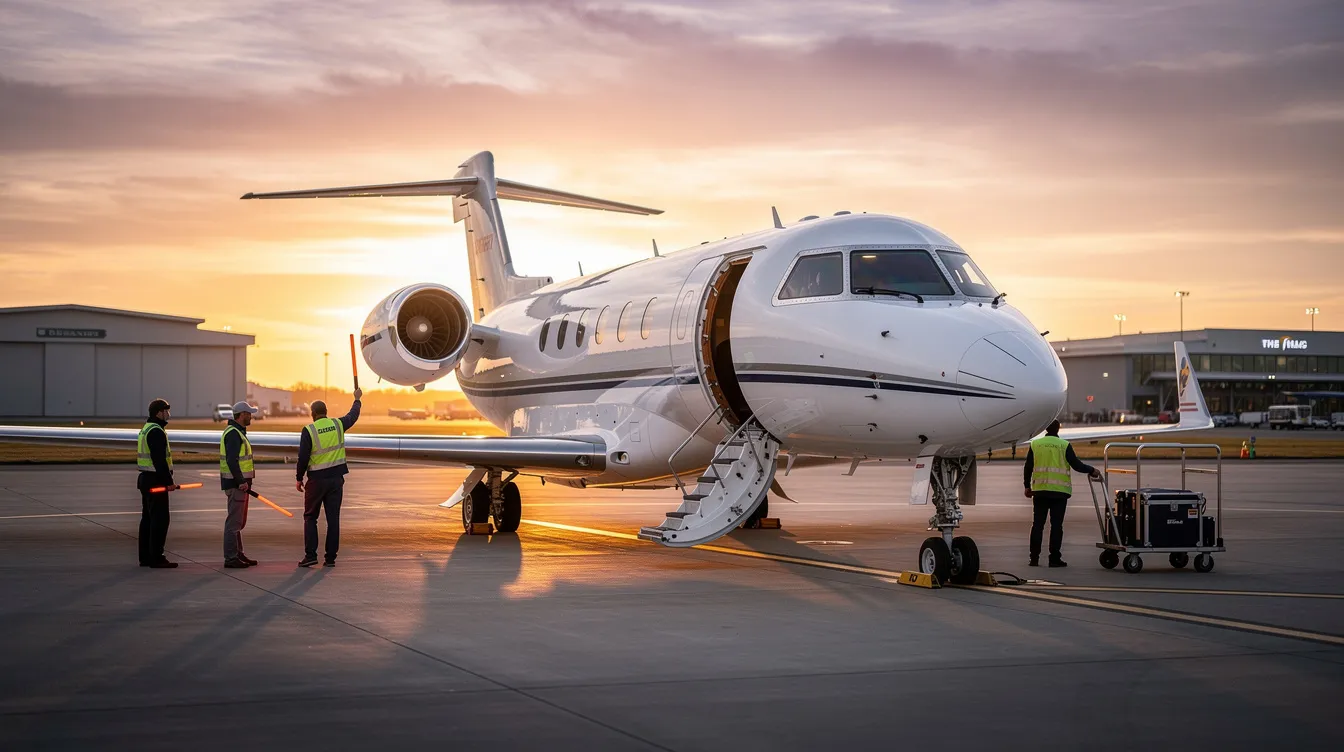
BlackJet provides access to multiple aircraft categories - from light jets for short hops to long-range, high-speed large-cabin jets - through flexible Jet Card and on-demand charter solutions.
From Speed Records to Real‑World Advantage: How BlackJet Maximizes Your Time
Aviation history's obsession with the fastest aircraft makes for compelling stories, but BlackJet's focus is making speed meaningful in day-to-day travel: less waiting, more control, higher productivity.
Jet Card programs - available in 25-hour and 50-hour increments - transform aircraft performance into predictable, efficient travel. Jet Cards provide prepaid access to private jets with transparent pricing, rapid confirmation, and priority access during peak periods. Jet Cards allow customized departure times for flexibility, and Jet Cards offer real-time flight support for changes en route.
Specific time-saving advantages include direct routing to smaller airports, bypassing commercial security lines, arriving minutes - not hours - before departure, and tailored departure slots aligned with your meetings.
Private aviation prioritizes disciplined systems over speed records. Private aviation safety relies on rigorous maintenance protocols. BlackJet uses third-party safety certifications for all flights. Modern private jets feature redundant navigation systems for safety, and crew training is essential for ensuring private flight safety. BlackJet never compromises safety to chase headline Mach numbers.
On sustainability: BlackJet ensures every journey is carbon neutral. Carbon offset programs help manage aviation's environmental impact, and sustainable aviation fuel options are available where possible. Sustainability is now part of aviation performance metrics - not an afterthought.
How BlackJet Jet Cards Compare to Owning, Ad‑Hoc Charter, and Airline First Class
For travelers interested in speed and control, the key decision is not which is the fastest aircraft, but which access model delivers the best combination of time savings, cost predictability, and experience.
Jet Cards vs. owning a jet: No capital purchase, no depreciation, no crew or hangar costs - yet consistent access to similar aircraft performance and cabin classes on demand.
Jet Cards vs. one-off charter: More predictable hourly rates, priority aircraft access, and less friction in booking. Jet Cards help avoid the friction of commercial travel and ad-hoc negotiation, especially for frequent fliers.
Jet Cards vs. airline first or business class: Private terminals (FBOs), shorter arrival windows, tailored schedules, and access to airports airlines don't serve - often reducing total trip time by hours. Members can book flights 24/7 using digital tools and receive real-time support throughout every journey.
BlackJet's technology turns the performance of the fastest available private jets in our network into a seamless, strategic travel advantage.
FAQ: Fastest Aircraft, Mach Numbers, and Private Jet Speed
What is Mach and why do pilots use it? Mach is the ratio of an aircraft's speed to the local speed of sound. Because the speed of sound changes with altitude and temperature, Mach provides a normalized measure that accounts for aerodynamic behavior - especially critical during supersonic flight and above.
What is the fastest aircraft ever built? The NASA X-43A achieved Mach 9.6 on 16 November 2004, making it the fastest air-breathing vehicle ever tested. It was unmanned and powered by a scramjet for roughly ten seconds.
What is the fastest manned aircraft? The North American X-15 set a record speed of Mach 6.72 in 1967, flown by William Knight. It remains the fastest manned aircraft in published history.
How fast do private jets actually fly? Private jets typically cruise between Mach 0.78 and 0.935. The Cessna Citation X+ reaches about Mach 0.935 at top speed, while the Gulfstream G700 typically cruises around Mach 0.90.
Why don't private jets fly at supersonic speeds? Regulations prohibit supersonic flight over populated land due to sonic booms. Additionally, the fuel burn, materials requirements, frictional heating management, and maintenance costs of supersonic speeds make them economically impractical for civilian transport today.
Does flying privately with BlackJet actually save more time than flying commercial? Yes. Even at subsonic speeds, BlackJet saves time through direct routing, smaller airports closer to your destination, private terminal access, flexible scheduling, and minimal check-in procedures. These advantages frequently save more total travel time than a higher Mach number alone ever could.
Conclusion: The Strategic Value of Speed in Private Aviation
The fastest supersonic jets and hypersonic experimental aircraft capture our imagination with their breathtaking speeds and technological feats. Yet, for the discerning traveler, true advantage lies not just in raw Mach numbers but in how speed integrates with safety, flexibility, and sustainability to transform the travel experience.
BlackJet bridges the gap between record-breaking aviation history and practical, everyday travel. By offering access to some of the fastest private jets through Jet Card programs, combined with rigorous safety standards and carbon-neutral operations, BlackJet delivers more than speed—it delivers control over your time and journey.
Whether flying for business or leisure, understanding the nuances of aircraft speed categories, operational limits, and the value of tailored scheduling empowers travelers to make smarter choices. The fastest supersonic jet may be a marvel, but the fastest private jet for you is the one that aligns with your schedule, destination, and priorities.
Elevate your travel beyond speed alone. Discover how BlackJet’s curated fleet, sustainable practices, and seamless digital booking can redefine your expectations of private aviation. Join BlackJet and transform every flight into a strategic advantage that respects your time, safety, and the planet.
Ready to experience what speed really means? Explore BlackJet's Jet Card programs or speak with an advisor about tailoring aircraft categories and routes to your specific travel patterns.


 Sign up with google
 Sign up with Apple